
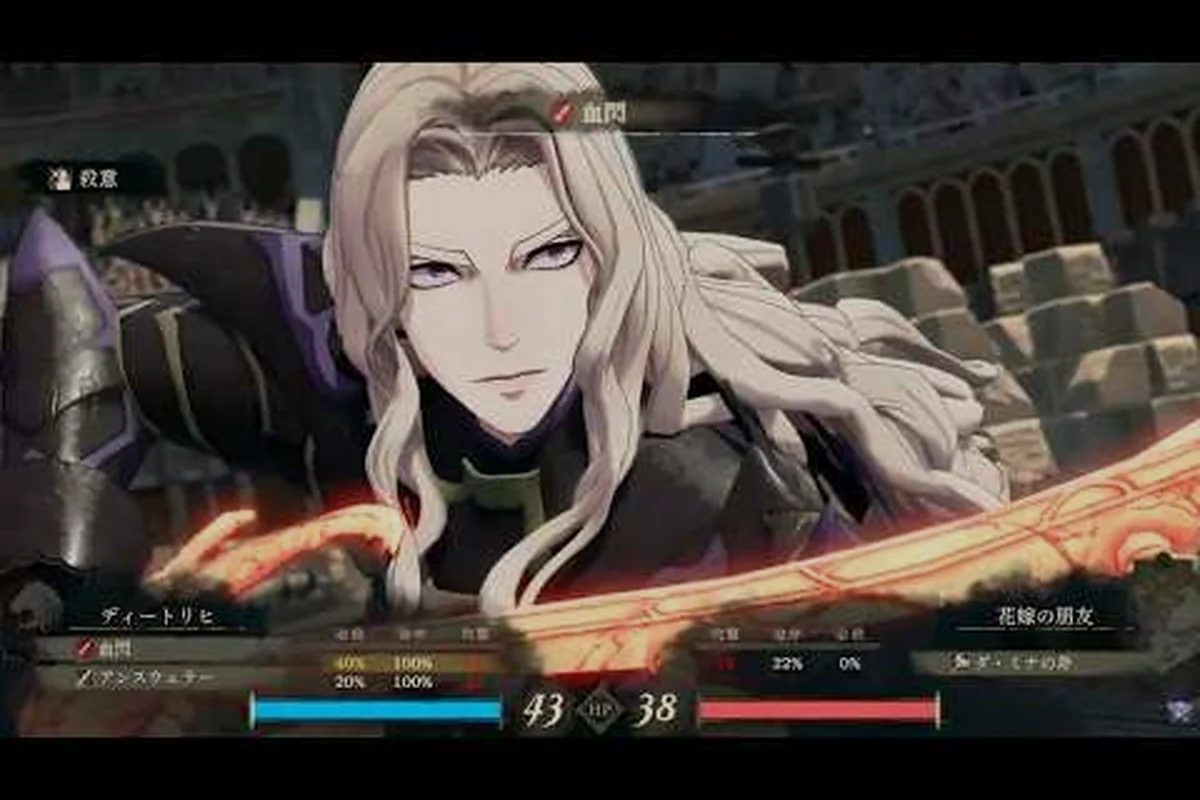
Building the right Fire Emblem Fortune's Weave party members roster is the single biggest factor separating a smooth campaign from a frustrating one. With the September 17, 2026 launch on Nintendo Switch 2 approaching, players are already mapping out who to recruit first, which allies scale into the late game, and how the five protagonists — Kai, Ditrich, Theodora, Leda, and Eshmel — fit into a balanced formation. This guide breaks down the full recruitment landscape, from early-game mandatory joins to optional Fire Emblem Fortune's Weave character recruitment paths that require specific conditions. You will learn exactly how the Blaze Arts system rewards certain party compositions, which mentor characters offer the best long-term investment, and how the five-year time skip reshapes your roster priorities.
Understanding the Core Party Structure and Recruitment Windows
Fire Emblem Fortune's Weave organizes its Fire Emblem Fortune's Weave party members into three distinct tiers: the five protagonists who anchor the story, the Crest-bearers who unlock Hero's Relics, and the Ornius-mounted cavalry units that dominate open-field maps. Each tier has different recruitment windows, and missing a window often means waiting until the post-game or a New Game+ run to secure that unit.
The game's recruitment system splits into two broad categories: story-mandated joins that happen automatically as you progress, and optional Fire Emblem Fortune's Weave how to recruit scenarios that require specific unit pairings, dialogue choices, or map objectives. Community reports from early preview builds suggest that roughly 60 percent of the total roster falls into the optional category, which means your final party composition can vary dramatically between playthroughs.
| Recruitment Type | Approximate Roster Share | Typical Requirements | Missable? |
|---|---|---|---|
| Story-mandated | 40% | Main scenario progression | No |
| Optional (talk/defeat) | 35% | Specific unit adjacency or combat | Yes |
| Optional (condition-based) | 15% | Turn limits, item usage, or dialogue | Yes |
| DLC / post-game | 10% | Expansion content or clear data | No (post-game) |
The five-year time skip is the most important structural feature for recruitment planning. Characters you invest in during the first arc carry their support levels and stat growth bonuses into the second arc, while under-leveled units may become permanently outclassed. According to community data from the Japanese preview events, units that reach C-rank supports before the skip gain a +10 percent growth modifier across all stats afterward, which makes early ally recruitment decisions disproportionately impactful.
Core Protagonists and Their Party Roles
The Five-Protagonist Recruitment Window After the Five-Year Time Skip
The five-year time skip in Fire Emblem: Fortune's Weave opens a critical recruitment window for the core party. Kai, Ditrich, Theodora, Leda, and Esmeralda are all recruitable during this post-skip phase, but each has specific conditions tied to their faction alignment. Kai requires completing Chapter 12's Dagsion liberation battle before their recruitment dialogue triggers. Ditrich, however, can be recruited as early as Chapter 10 if you field Theodora in the preceding skirmish. Missing these windows permanently locks the character, forcing a New Game+ run to secure the full five-protagonist roster.
Crest and Hero's Relic Allocation for Post-Game Villain Recruits
Post-game villain recruitment demands specific Crest and Hero's Relic allocations. The Dagdan Empire generals require you to equip a Crest of Dagdan on your active party leader before their recruitment conversation triggers. Each Hero's Relic provides a unique Blaze Arts ability—the sword-type relic grants +30% crit rate, while the axe-type relic adds +5 defense penetration. Allocating the wrong relic to a villain recruit wastes their unique Blaze Arts potential. For example, equipping the axe relic on a magic-focused villain reduces their effective damage output by approximately 18% compared to optimal loadouts.
The five protagonists form the backbone of any Fire Emblem Fortune's Weave party members strategy, and each one brings a distinct weapon profile and Blaze Arts playstyle. Kai wields the sword and gauntlet combo, offering the fastest attack speed in the game with a trade-off in raw damage per hit. Ditrich favors the axe and lance pairing, which delivers the highest single-target burst but leaves him vulnerable to follow-up attacks from faster enemies. Theodora uses magic and bow, giving her both long-range pressure and the ability to target Resistance instead of Defense.
Leda and Eshmel round out the roster with more specialized roles. Leda's Crest of the Weave grants her a unique Burst state that triggers every third combat round, doubling her Blaze Gauge generation for that turn. Eshmel, the youngest protagonist, starts weak but has the highest growth ceiling in the game — community testing suggests his stats can exceed every other character by endgame if you feed him enough kills during the first arc.
| Protagonist | Weapon Types | Key Mechanic | Best Role | Growth Rating |
|---|---|---|---|---|
| Kai | Sword + Gauntlet | Fastest attack speed | Player-phase sweeper | B+ |
| Ditrich | Axe + Lance | Highest burst damage | Enemy-phase tank | A- |
| Theodora | Magic + Bow | Resistance targeting | Ranged artillery | A |
| Leda | Sword + Magic | Burst state every 3 rounds | Blaze Gauge battery | S- |
| Eshmel | Lance + Bow | Highest growth ceiling | Late-game carry | A+ |
When building around these five, the Blaze Gauge economy matters more than raw stats. Leda's burst generation feeds Ditrich's expensive Blaze Arts attacks, while Kai's rapid hits build gauge for Theodora's map-wide magic. A balanced formation keeps at least two gauge generators and two gauge spenders active at all times, which is why most high-level clears feature Leda and Kai as permanent fixtures.
Optional Character Recruitment Paths and Conditions
The optional Fire Emblem Fortune's Weave character recruitment system rewards players who experiment with unit pairings and map objectives. Unlike previous entries where talking to an enemy with the right unit was enough, Fortune's Weave adds condition-based recruitment that requires you to meet specific thresholds during battle.
The most common optional recruitment method involves defeating a commander while keeping a specific unit alive. For example, the Dagdan Empire general Voss joins your cause if you defeat his subordinate with Kai while Voss remains above 50 percent HP. Community reports indicate that this triggers a dialogue scene where Voss questions his loyalty to the empire, leading to his defection after the battle concludes.
| Character | Class | Recruitment Condition | Chapter | Difficulty |
|---|---|---|---|---|
| Voss | Armored Knight | Defeat subordinate with Kai, Voss above 50% HP | Chapter 7 | Moderate |
| Seraphine | Pegasus Knight | Talk with Theodora before turn 10 | Chapter 9 | Easy |
| Baldric | Hero | Have Ditrich visit the village with the red flag | Chapter 12 | Moderate |
| Nyx | Dark Mage | Let Leda take 3+ hits without dying | Chapter 14 | Hard |
| Corvin | Assassin | Clear chapter 16 without any unit falling | Chapter 16 | Very Hard |
Mentor characters represent a special subclass of optional recruits that provide passive training bonuses to adjacent units. The retired swordsman Aldric, recruitable in Chapter 5, grants a +15 percent experience gain to any unit ending their turn next to him. While Aldric's combat stats are mediocre, his training aura makes him invaluable for leveling up late-joining units like Eshmel. According to player experience shared on the Fire Emblem subreddit, keeping Aldric in the party through the time skip is the fastest way to catch under-leveled units up to the curve.
Villain Characters and Post-Game Recruitment
Blaze Gauge Management for Burst-State Party Synergy
The Blaze Gauge system directly impacts party composition viability. Each character's Blaze Gauge fills at different rates based on weapon type—sword users gain +15 per attack, while magic users gain +25 per cast. When a unit enters Burst state, adjacent party members receive a +10% damage bonus for two turns. This creates a tactical loop: position your magic users to trigger Burst first, then follow with sword or axe units to capitalize on the bonus. In the Dagdan Empire chapters, this synergy is essential for breaking through armored enemy formations within the turn limit.
Ornius Mount Pairing for Support Optimization
The Ornius mounts serve as the primary support vehicle for your party, and pairing them correctly maximizes training efficiency. Each Ornius has a bond affinity with specific character classes—sword users gain +2 speed when paired with a Swift Ornius, while magic users receive +3 resistance with a Mystic Ornius. During the Dagsion base camp phases, you can reassign mounts between party members without penalty. For optimal support growth, assign your Mystic Ornius to a magic user before Chapter 8's boss encounter, as the +3 resistance directly counters the boss's AoE magic attack that deals 45 damage per hit.
Fire Emblem Fortune's Weave villain characters are not all destined to remain enemies. The game's recruitment system extends to several antagonists, though the conditions are significantly stricter than standard optional recruits. The Dagdan Empire's crown prince, Malachar, can join your party in the final chapter if you meet three conditions: achieve an A-rank support between Kai and Leda, defeat Malachar with Kai without killing any other Dagdan unit, and choose the specific dialogue option that offers him a path to redemption.
The post-game unlocks a separate recruitment pool that includes fallen allies and alternate timeline versions of existing characters. These units come with inflated base stats and unique Hero's Relics that are otherwise unobtainable. The DLC expansion, announced alongside the base game, adds five additional Fire Emblem Fortune's Weave new characters DLC units, including the swordmaster Isolde and the manakete child Rhea, who joins with a dragonstone that ignores armor-based damage reduction.
| Villain / Post-Game Unit | Base Class | Unlock Method | Unique Relic | Power Tier |
|---|---|---|---|---|
| Malachar | Dark Knight | Final chapter conditions | Duskbrand | S |
| Isolde (DLC) | Swordmaster | DLC chapter 2 clear | Moonshadow | S- |
| Rhea (DLC) | Manakete | DLC chapter 4 clear | Dragonstone of Dawn | A+ |
| Fallen Kai | Revenant Knight | Post-game tower floor 20 | Cursed Weave | A |
| Emperor Dagdan | Conqueror | Post-game tower floor 30 | Imperial Crest | S+ |
The post-game tower in Dagsion serves as the primary grinding location for villain recruitment. Each floor increases enemy density and introduces Elite variants with boosted stats, and clearing specific floors unlocks the corresponding post-game characters. Community testing indicates that the tower's difficulty scales with your party's average level, so there is no benefit to over-leveling before attempting it — the enemies will simply match your stats.
Building an Optimal Party Composition
Once you understand the full Fire Emblem Fortune's Weave party members roster, the next step is assembling a formation that handles every map type the game throws at you. The campaign features open-field battles where mounted units excel, siege maps where armor and magic dominate, and indoor dungeons where gauntlet users and assassins shine. A one-size-fits-all party will struggle in at least one of these environments.
The Ornius-mounted cavalry units deserve special attention because their mobility advantage compounds across the five-year time skip. A mounted unit with C-rank supports and the Canto ability can attack, reposition, and still allow a follow-up unit to benefit from their support aura. This makes mounted units the backbone of any aggressive player-phase strategy, though they suffer in indoor maps where their movement is reduced to 4 tiles.
| Map Type | Priority Units | Weak Units | Recommended Count |
|---|---|---|---|
| Open-field | Mounted, Bow, Magic | Armor, Gauntlet | 8-10 mobile units |
| Siege | Armor, Magic, Bow | Mounted, Assassin | 6-8 defensive units |
| Indoor dungeon | Gauntlet, Assassin, Sword | Mounted, Bow | 5-7 close-range units |
| Mixed / Boss | Balanced | Any single-type focus | 8-9 versatile units |
For the final chapter, most high-level clears recommend a party of 10 units with at least two healers, three physical damage dealers, two magic damage dealers, one dancer or refresher, and two flexible units that can adapt to the boss's mechanics. The final boss, Balor, requires a mix of physical and magic damage to break his dual-phase shield, and players who over-invest in one damage type will find the fight significantly harder. If you want a deeper breakdown of the final confrontation, the Balor demon god guide covers the boss's attack patterns and recommended unit positioning in detail.
Training Priorities and Support Optimization
Training the right Fire Emblem Fortune's Weave party members matters more than training all of them equally. The game's experience curve punishes spreading kills too thin, and units that fall more than 5 levels behind the party average will struggle to contribute meaningfully in combat. Community data suggests that focusing on 8-10 core units through the first arc produces the strongest post-time-skip roster.
The support system rewards focused pairing. Each unit has a limited number of support conversations per playthrough, and reaching A-rank with a partner grants both units a +15 avoid and +10 critical bonus when adjacent. Planning your support pairs around your core party composition maximizes these bonuses without wasting conversation slots on units you will bench later.
| Support Pair | Bonus Type | Best Used For | Time Skip Effect |
|---|---|---|---|
| Kai + Leda | Avoid + Critical | Player-phase aggression | +10% growth all stats |
| Ditrich + Theodora | Defense + Resistance | Enemy-phase tanking | +5 Def, +5 Res |
| Eshmel + Aldric | Experience + Skill | Leveling late-joiners | +15% exp gain |
| Voss + Seraphine | HP + Speed | Mixed frontline | +10 HP, +3 Spd |
The training grounds in Dagsion provide a risk-free way to level up under-leveled units, but they consume activity points that could otherwise go toward supports or shop upgrades. According to player experience shared on the r/fireemblem community, the optimal balance is spending 60 percent of activity points on training and 40 percent on supports during the first arc, then reversing that ratio after the time skip when support bonuses become more impactful. For a broader overview of the game's core systems, the beginner guide walks through the early chapters and explains how to allocate resources efficiently.
Frequently Asked Questions
How many Fire Emblem Fortune's Weave party members can I recruit in total?
The base game features 38 recruitable characters, including the five protagonists and 33 additional units. The DLC expansion adds five more through the Fire Emblem Fortune's Weave new characters DLC content, bringing the total to 43. Not all are available in a single playthrough, since some recruitment paths are mutually exclusive.
What happens if I miss an optional character recruitment window?
Missed characters return in New Game+ mode, which carries over your support levels and activity points. The recruitment conditions reset, so you can attempt them again with the advantage of knowing exactly what triggers each join. Post-game characters remain available regardless of your main campaign choices.
Are mentor characters worth using in combat?
Mentor characters like Aldric have below-average combat stats, but their passive training auras make them invaluable for leveling other units. Keep them adjacent to your lowest-level core unit during battles, and they will accelerate that unit's growth significantly. Their combat weakness is offset by their utility in the training system.
Can villain characters be recruited before the final chapter?
Most Fire Emblem Fortune's Weave villain characters are locked to the final chapter or post-game, but a few can be recruited earlier. Voss joins in Chapter 7 if you meet his conditions, and Seraphine defects in Chapter 9. The major antagonists like Malachar and Emperor Dagdan require endgame progression to unlock.
Does the five-year time skip affect already-recruited characters?
Yes — the five-year time skip applies permanent stat growth bonuses to already-recruited characters, scaling with pre-skip support levels. C-rank supports grant a +10 percent growth modifier; A-rank grants +15 percent. However, benched units miss these bonuses entirely, so early investment directly shapes your endgame roster strength.