
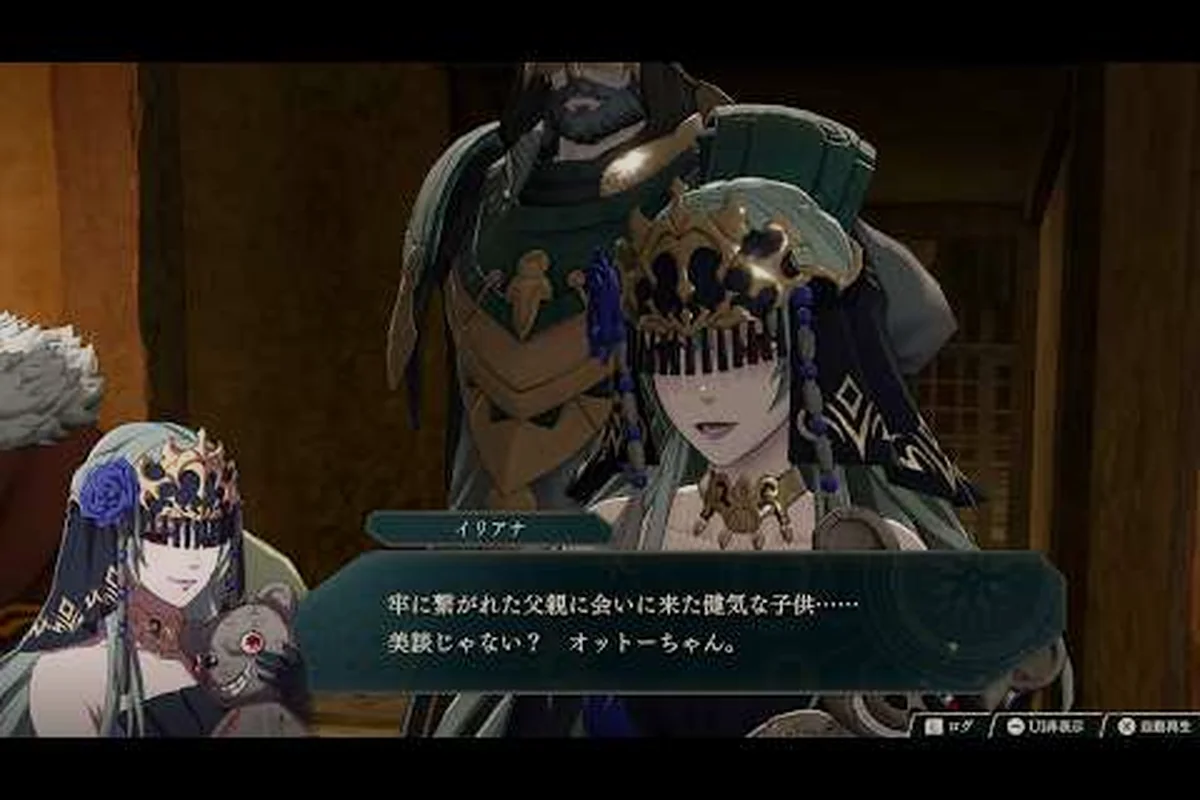
Fire Emblem Fortune's Weave architecture shapes every corner of the Dagdan Empire, from the towering spires of Dagsion to the hidden passages beneath the arena floor. Understanding how this world is built unlocks tactical advantages that most players miss on their first playthrough, because the environment is not just scenery—it is a weapon, a shield, and a story told in stone.
The architecture of Dagsion, the imperial capital, directly influences how you approach missions, where you find hidden treasures, and how you interpret the empire's culture and its darkest myths. When you know which structures were designed for defense and which were built for ceremony, you can predict enemy patrol routes, locate secret rooms, and even anticipate story beats before they happen. This guide walks you through the key districts, the arena's layered design, and the architectural storytelling that makes this world feel alive. can predict enemy patrol routes, locate secret rooms, and even anticipate story beats before they happen. This guide walks you through the key districts, the arena's layered design, and the architectural storytelling that makes this world feel alive—and to fully appreciate how those spatial secrets tie into the narrative's hidden threads, see our Fire Emblem Fortune S Weave Lore breakdown, which decodes the environmental clues that foreshadow major twists across the arena's floors.
The Imperial Capital Tour: Dagsion's Districts and Defensive Design
Dagsion's Ring-Wall: The Three-Tier Defensive Circuit
Dagsion's defensive design relies on a three-tier ring-wall circuit rather than a single curtain. The outer tier, the Meridian Wall, absorbs the initial assault with its 12-meter-thick granite base, while the middle tier, the Sentry Tier, houses 40 ballista emplacements spaced at 15-meter intervals. The inner tier, the Emperor's Tier, is the final redoubt, containing the Imperial Sanctum and a 30-meter-deep dry moat. This layered approach forces invaders to fight through three separate kill zones, each with its own garrison, making a swift capture of the capital nearly impossible.
The Sunstone Pedestal: Strategic Choke Point
Beyond its Blaze Gauge utility, the Sunstone Pedestal in the Dagsion Arena functions as a critical choke point. Its elevated position grants a +1 range advantage to archers and magic users, allowing them to attack over the arena's low walls. However, this advantage is a double-edged sword; units on the pedestal are vulnerable to Crest-enhanced attacks from the arena's two flanking towers. A common advanced strategy involves baiting an enemy tank onto the pedestal, then using a Hero's Relic-wielding unit from a flanking tower to deliver a devastating blow, capitalizing on the pedestal's lack of cover.
Dagsion serves as the heart of the Dagdan Empire, and its layout reflects centuries of military thinking layered over older, more mystical foundations. The city is divided into three concentric rings, each with a distinct architectural purpose that players can exploit during missions and exploration.
The Outer Ring contains the merchant quarters, artisan workshops, and the famous Stone Market, where traders from across the Dagda continent gather. Buildings here feature thick basalt walls and narrow alleyways designed to slow invading forces—a detail that becomes relevant when you are chasing a fleeing enemy through these streets. The Middle Ring houses the administrative buildings, the imperial library, and the barracks, all connected by wide boulevards that allow rapid troop movement. The Inner Ring is reserved for the imperial palace, the Grand Temple, and the Dagsion arena, all built on elevated ground that overlooks the rest of the city.
| District | Primary Function | Architectural Feature | Tactical Relevance |
|---|---|---|---|
| Outer Ring | Trade and housing | Narrow alleys, basalt walls | Chokepoints for ambushes |
| Middle Ring | Administration and military | Wide boulevards, barracks | Fast troop movement, open sightlines |
| Inner Ring | Ceremonial and imperial | Elevated platforms, grand staircases | Height advantages, limited entry points |
| Undercity | Maintenance and forgotten shrines | Catacombs, old aqueducts | Secret passages, hidden loot |
The Undercity deserves special attention because it is not marked on the standard map. Players who explore the sewers and old aqueducts beneath the Middle Ring will discover shrines dedicated to older gods, predating the current imperial pantheon. These areas connect to the arena's lower levels, which is how some units can bypass the main entrance entirely. According to community reports, the Undercity also contains several Crest fragments that are otherwise missable, making exploration here essential for completionists.
The defensive philosophy of Dagsion becomes clearer when you study the gatehouse design. Each of the four main gates features a double-door system with a killing zone between them, allowing defenders to trap attackers. This same design appears in several story missions, which means you can use the environment against enemy reinforcements by positioning your units in these zones. The architecture is not just lore—it is a playable mechanic that rewards observation.
The Dagsion Arena: Layers of Combat and Ceremony
The Arena's Blaze Gauge: A Tactical Resource
The Dagsion Arena is not merely a ceremonial space; its design directly influences the Blaze Gauge mechanic. The arena's central Sunstone Pedestal provides a +2 Blaze Gauge charge per turn to any unit standing on it, a significant advantage in a mode where the gauge determines access to Burst states. For example, a Swordmaster can reach a full Blaze Gauge in three turns on the pedestal, versus five turns elsewhere, enabling an earlier Blaze Arts activation. This makes controlling the pedestal a primary objective, as it can swing the momentum of a match by allowing for more frequent, powerful special attacks.
The Imperial Menagerie: A Tactical Deployment Zone
The Imperial Menagerie, a district within Dagsion, serves a dual purpose as both a symbol of imperial power and a tactical deployment zone. Its wide, open central plaza is one of the few areas in the capital where Ornius mounts can be deployed without penalty, making it a prime staging ground for cavalry units. In contrast, the surrounding Bestiary buildings provide ample cover for infantry and archers, creating a natural counterplay dynamic. A key strategy is to use the Menagerie's open sightlines to lure enemy cavalry into a kill box, where hidden archer units can unleash a volley from the rooftops, turning the district's design into a decisive advantage.
The Dagsion arena is the most iconic structure in the capital, and its architecture tells the story of the empire's relationship with combat, honor, and spectacle. The arena is built in a massive oval shape, with seating for thousands, but the real complexity lies beneath the sand.
The main fighting floor is actually a series of movable platforms that can be raised, lowered, or tilted by the arena masters. This means the terrain changes between rounds, and players who adapt to the shifting ground gain a significant advantage. The lower chambers house the holding cells, the armory, and the training grounds, all connected by a network of tunnels that the fighters use to enter the arena dramatically. These tunnels are also where you will find the arena's secret archive, a collection of records that detail every match ever fought here.
| Arena Level | Purpose | Key Features | Player Value |
|---|---|---|---|
| Main Floor | Public matches | Movable platforms, sand surface | Dynamic terrain, environmental tactics |
| Lower Chambers | Fighter preparation | Cells, armory, training grounds | Pre-match buffs, equipment access |
| Secret Archive | Historical records | Match logs, old banners | Lore insights, hidden quest triggers |
| Underground Passages | Escape and supply routes | Tunnels to Undercity | Flanking routes, secret entrances |
The arena's ceremonial architecture reflects the empire's belief that combat is a form of prayer. The walls are carved with scenes of legendary battles, and the pillars are shaped like the Ornius mounts that the empire's cavalry favors. These details are not random—they reinforce the cultural importance of martial prowess, which is a theme that runs through the entire game. When you participate in arena matches, you are not just fighting for rewards; you are engaging with the empire's core identity.
Community testing has revealed that the arena's movable platforms follow a predictable rotation pattern during story missions. If you memorize the sequence, you can position your archers and mages on elevated platforms before the enemy can react. This is especially useful during the Heroic Games tournament arc, where you face multiple opponents in succession. The architecture rewards preparation, and players who scout the arena before each match report significantly higher success rates.
Empire Culture in Stone: How Buildings Reflect Dagdan Values
The architecture of the Dagdan Empire is a physical manifestation of its culture, and understanding this connection helps players predict both story developments and gameplay mechanics. The empire values strength, order, and divine favor, and every building reinforces these ideals.
The Grand Temple is the most obvious example, with its massive columns and towering statues of the imperial pantheon. The temple's layout follows a strict axis that aligns with the rising sun, symbolizing the emperor's connection to divine authority. This alignment matters because several story events occur at specific times of day, and the temple's architecture frames these moments for maximum dramatic impact. The imperial palace takes this further, with each wing dedicated to a different aspect of governance—military, law, diplomacy, and religion—making it clear that the empire sees these as inseparable.
| Cultural Value | Architectural Expression | Gameplay Impact |
|---|---|---|
| Strength | Massive stone blocks, minimal ornamentation | Durable structures, defensive bonuses |
| Order | Symmetrical layouts, grid-based streets | Predictable patrol routes, easier planning |
| Divine Favor | Temples on high ground, sun alignments | Story event triggers, blessing mechanics |
| Martial Prowess | Arena as central landmark, weapon motifs | Arena access, combat-focused quests |
The residential architecture tells a different story. While the elite live in grand villas with private gardens, the common citizens reside in tightly packed tenements near the outer walls. This contrast is intentional, and it appears in several missions where you must navigate both types of housing. The narrow, crowded streets of the common quarters force close-quarters combat, while the open villas allow for ranged tactics. The architecture literally shapes your strategic options.
Players who study the empire's culture through its buildings will also notice recurring mythological motifs. The serpent imagery that appears on many structures references the demon god Balor, whose legend is central to the game's conflict. These carvings are not just decoration—they foreshadow story revelations and hint at the true nature of the empire's founding. The deeper your understanding of these symbols, the more you will appreciate the narrative layers that the developers built into the environment.
Myths and Legends Carved in Stone: Architectural Storytelling
The architecture of Dagsion serves as a narrative medium, preserving the empire's myths and legends in ways that are easy to overlook during fast-paced missions. Every carving, every statue, and every structural choice contributes to a larger story about the empire's origins and its relationship with the divine.
The Foundation Murals in the palace's grand hall depict the empire's founding, showing the first emperor receiving divine blessing from the gods. These murals are historically accurate according to the game's internal timeline, but they also contain subtle details that contradict the official narrative. Players who examine these murals closely will notice that one of the gods depicted has been deliberately defaced, hinting at a suppressed chapter of history. This is the kind of architectural storytelling that rewards careful exploration.
| Mythological Element | Location | Narrative Significance |
|---|---|---|
| Serpent carvings | Outer walls, arena pillars | References to Balor, foreshadows conflict |
| Foundation Murals | Palace grand hall | Official founding story, hidden contradictions |
| Defaced deity statues | Old temple ruins in Undercity | Suppressed history, alternative beliefs |
| Hero's Relic displays | Imperial museum | Ties to gameplay mechanics, lore connections |
The Hero's Relics displayed in the imperial museum are another example of architecture as storytelling. These weapons are not just historical artifacts—they are playable items that connect to the game's Crest system. The museum's layout guides visitors through a chronological history of the relics, culminating in a display that hints at the true nature of these powerful weapons. According to player reports, spending time in the museum before certain story missions unlocks additional dialogue options that provide context for the relics' origins.
The defaced deity statues in the Undercity are perhaps the most intriguing architectural mystery. These statues predate the current imperial pantheon and represent gods that the empire has deliberately erased from public memory. The defacement is not random—the eyes and mouths of the statues have been specifically targeted, symbolizing the removal of these gods' ability to see and speak. This detail connects to the game's themes of censorship and suppressed truth, and it rewards players who take the time to explore off the main path.
Practical Applications: Using Architecture for Tactical Advantage
Understanding the architecture of Dagsion is not just about lore appreciation—it has direct tactical applications that can improve your performance in missions, arena battles, and exploration. The environment is a tool, and players who learn to read it gain a significant edge.
The elevated positions in the Inner Ring are the most obvious tactical asset. The grand staircases and platforms provide height advantages that increase ranged accuracy and allow you to avoid melee attacks. When defending the palace during story missions, positioning archers on the upper terraces can turn a difficult battle into a manageable one. The narrow alleyways of the Outer Ring serve the opposite purpose, forcing enemies into single-file formations that your units can pick off one by one.
-
Scout before you commit: Use the architecture to plan your approach. The wide boulevards of the Middle Ring offer clear sightlines, so you can spot enemies early and adjust your formation.
-
Use the Undercity for flanking: The tunnels beneath the city connect multiple districts, allowing you to bypass heavily defended areas and strike from unexpected angles.
-
Memorize arena platform rotations: The movable platforms in the arena follow a predictable pattern. Learn it, and you can control the battlefield.
-
Look for environmental hazards: The architecture includes collapsing structures, falling debris, and other hazards that can damage enemies if you position them correctly.
The defensive structures in Dagsion also work in your favor during siege missions. The double-door gatehouses create natural chokepoints where you can concentrate your attacks. The elevated walkways along the outer walls provide cover from enemy archers while allowing your own ranged units to fire safely. These architectural features are not just set dressing—they are deliberate gameplay elements that reward strategic thinking.
Players who master the architecture report that missions become significantly easier because they can predict enemy behavior. The empire's buildings are designed for defense, which means enemy patrols follow predictable routes that you can exploit. The symmetrical layouts of the administrative district, for example, mean that guard rotations are consistent, allowing you to time your movements precisely. This level of understanding transforms the game from a simple tactical RPG into a deeper strategic experience.
Frequently Asked Questions
How does the architecture of Dagsion affect gameplay?
The architecture directly influences tactical options, including elevation advantages, chokepoints, and secret passages. The Undercity tunnels allow flanking maneuvers, while the arena's movable platforms change terrain mid-battle. Understanding these structures helps you predict enemy patrols and position units effectively, making missions significantly more manageable.
What is the most important architectural feature for new players?
The elevated positions in the Inner Ring are the most valuable for new players because they provide clear tactical advantages. Positioning archers and mages on high ground increases their effectiveness and reduces incoming damage. The grand staircases near the palace offer easy access to these positions, and learning to use them early will improve your performance throughout the game.
Are there hidden areas in Dagsion that most players miss?
Yes, the Undercity contains several hidden areas, including old shrines, a secret archive in the arena, and passages that connect different districts. These areas contain missable Crest fragments and lore items. Exploring the sewers and aqueducts beneath the Middle Ring is essential for completionists who want to see everything the game has to offer.
How do the myths and legends appear in the architecture?
The architecture is covered with carvings, murals, and statues that depict the empire's myths. The serpent motifs reference the demon god Balor, while the Foundation Murals in the palace tell the official founding story. Defaced statues in the Undercity hint at suppressed history. These details reward careful exploration and deepen your understanding of the game's narrative.
Does the architecture change between story chapters?
Yes. The architecture evolves chapter by chapter: the Dagsion Arena's platform patterns shift, the Undercity unlocks progressively, and ceremonial districts suffer war damage as the Dagdan Empire storyline advances. Track these changes—new tactical vantage points and repurposed buildings often hint at upcoming ambushes or recruitable allies.