
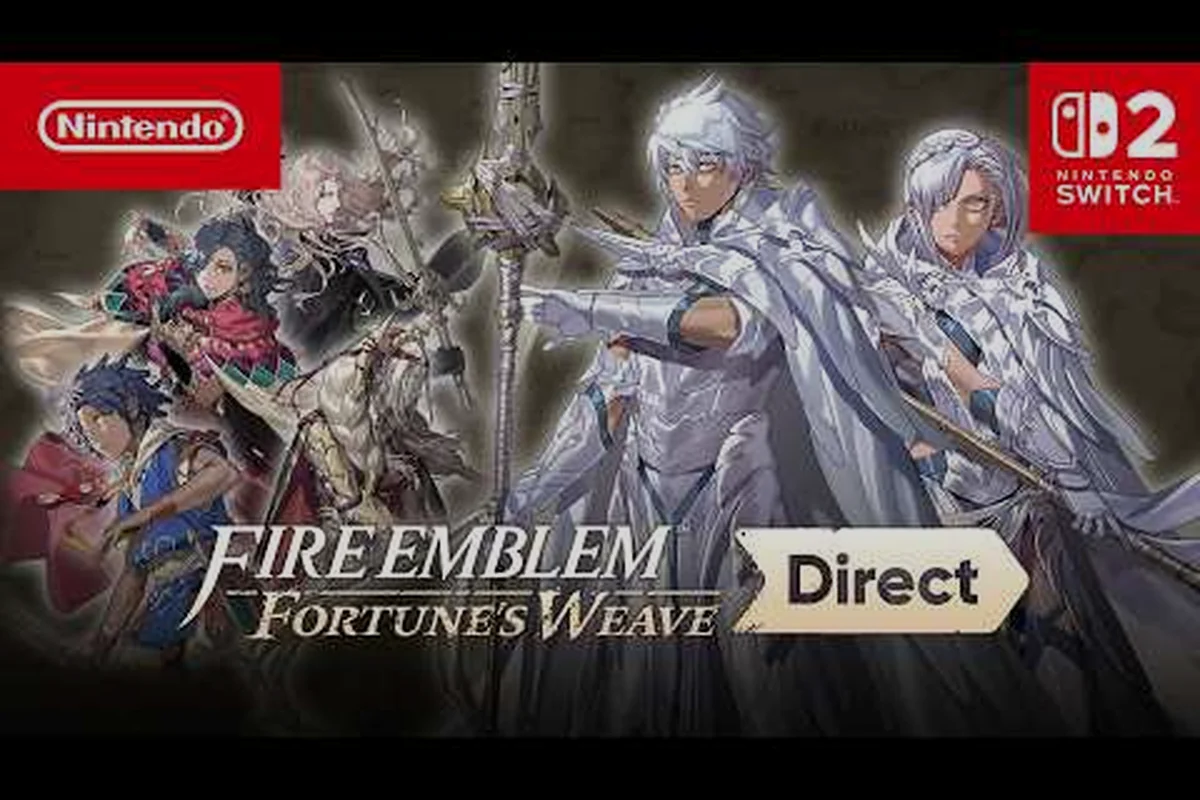
The Dagdan Empire stands as the most formidable military power on the Dagda continent, and understanding its history is essential for anyone diving into Fire Emblem Fortune's Weave Dagdan Empire lore. This isn't just background flavor — the empire's divine mandate, its capital Dagsion, and its relationship with the demon god Balor shape every major conflict in the game's narrative. Because the empire's ideology directly influences which characters join your army and which factions oppose you, grasping this lore gives you a strategic edge before you even deploy your first unit.
What makes the Dagdan Empire particularly fascinating is how its founding myth intertwines with the game's core divine mechanics. The empire claims its authority comes from a pact with Balor, the demon god whose influence permeates the continent's history. While the game never forces you to read every tome, players who understand the empire's theological foundations will recognize why certain characters behave the way they do, why specific relics carry hidden power, and how the Heroic Games tournament actually serves as a political tool rather than mere entertainment. and the empire's theological foundations will recognize why certain characters behave the way they do, why specific relics carry hidden power, and how the Heroic Games tournament actually serves as a political tool rather than mere entertainment—a dynamic that becomes even more layered when the tournament's romantic subplots and character bonds are explored in Fire Emblem Fortune S Weave Romance Scenes, where personal alliances forged during the games mirror the same strategic manipulation at play in the broader political arena.
The Founding Myth and Divine Mandate
The Dagdan Empire traces its origins to a catastrophic war that nearly destroyed the Dagda continent roughly 1,500 years before the game's events. According to the lore presented in-game, the ancient conflict pitted mortal armies against divine forces, and the empire emerged from the ashes with a terrifying claim: its first emperor had forged a pact with Balor, the demon god, to secure victory. This covenant supposedly granted the imperial bloodline the right to rule, creating what the game calls the Divine Mandate of Dagda.
What's particularly clever about this backstory is how the game leaves room for interpretation. Some scholars within the world argue that the pact was literal, while others believe the early emperors simply used Balor's terrifying reputation to consolidate power. The game's writers deliberately keep this ambiguous, which means players can read the same lore documents and reach different conclusions about whether the empire's divine claim is genuine or manufactured.
The Role of Dagsion in Imperial Identity
Dagsion, the imperial capital, functions as more than just a political center — it's the physical embodiment of the empire's divine claim. The city was built around the site where the original pact was allegedly sealed, and its architecture reflects this sacred purpose. The Dagsion Arena, where the Heroic Games take place, sits at the exact location where the first emperor supposedly received Balor's blessing, which is why the tournament carries such religious significance.
The capital's layout reinforces the empire's power structure through spatial design. The imperial palace occupies the highest point of the city, literally looking down on the arena and the common districts below. This vertical hierarchy mirrors the empire's theological worldview: the emperor stands closest to the divine, while ordinary citizens remain at the bottom. Players who explore Dagsion thoroughly will find numerous murals and inscriptions that reinforce this message, and understanding this context makes the city's side quests feel far more meaningful.
The Heroic Games as Political Theater
The Heroic Games tournament, which serves as a major story beat, isn't merely a test of combat skill — it's a carefully orchestrated display of imperial authority. Every few years, warriors from across the continent gather in Dagsion to compete, and the winner is granted a single wish. This tradition supposedly mirrors the original pact, where Balor granted the first emperor's wish for victory.
What makes this lore so compelling is how the game subverts it. As you progress through the story, you discover that the tournament's wish-granting mechanism may not be as benevolent as the empire claims. The deeper lore suggests that the wish comes with hidden costs, and that the empire has manipulated the tournament's outcome for centuries to eliminate political rivals while maintaining the illusion of meritocracy. This revelation reframes the entire tournament arc and gives players a genuine moral choice about whether to participate.
The Demon God Balor and Imperial Theology
| 大剑斗祭(Heroic Games)阶段 | 参赛者数量 | 场地 | 决胜规则 |
|---|---|---|---|
| 预选赛 | 512 名 | 鞑古席翁外城八区 | 三战两胜淘汰制 |
| 本战 | 64 名 | 鞑古席翁大竞技场 | 单败淘汰制 |
| 准决赛 | 4 名 | 大竞技场中央祭坛 | 三局两胜制 |
| 决赛 | 2 名 | 大竞技场「命运之台」 | 一局定胜负,胜者获许一愿 |
No discussion of Fire Emblem Fortune's Weave Dagdan Empire lore would be complete without examining Balor, the demon god whose shadow looms over the entire narrative. Unlike typical Fire Emblem antagonists, Balor isn't simply an evil force seeking destruction — the game presents him as a complex entity whose motivations remain partially hidden until the final act. The imperial theology portrays Balor as a necessary counterweight to the other gods, a being who brought order through fear when the divine pantheon failed to protect mortals.
The game's gods lore reveals that Balor was once part of a larger pantheon, but he was cast out for challenging the other deities' passive approach to mortal suffering. According to the myth, Balor offered humanity a different path: instead of praying for salvation, mortals could seize power themselves through pacts and sacrifice. This theological framing makes the empire's worship of Balor more understandable — they don't see themselves as serving evil, but rather as embracing a pragmatic philosophy that the other gods rejected.
Balor's Influence on Imperial Military Doctrine
The empire's military strategy directly reflects its theological beliefs about Balor. Because Balor represents the principle that power must be seized rather than granted, the imperial army emphasizes aggression, discipline, and absolute loyalty over individual heroism. This manifests in gameplay through the empire's unique unit types, which tend to favor heavy armor and overwhelming force rather than the more balanced approach of other factions.
The demon god Balor's influence also appears in the empire's treatment of Crests and Hero's Relics. While other nations view these divine artifacts with reverence, the empire treats them as tools to be weaponized. Imperial scholars have developed techniques to amplify a relic's destructive potential at the cost of its wielder's lifespan, a practice that would be considered blasphemy elsewhere. This philosophical difference creates natural tension between the empire and other factions, and it explains why certain characters defect from the imperial army when they witness the true cost of this doctrine.
The Schism Within Imperial Worship
One of the most nuanced aspects of the lore involves the internal conflict within the empire's religious establishment. Not all imperial citizens worship Balor in the same way, and the game depicts at least three distinct theological factions:
-
The Orthodox Faction believes Balor's pact was literal and that the emperor's divine authority is absolute, viewing any challenge to imperial rule as heresy.
-
The Reformist Faction interprets the pact as symbolic, arguing that the empire's authority comes from its ability to maintain order rather than from any supernatural bargain, which leads them to support more moderate policies.
-
The Secret Cult worships Balor directly rather than through the emperor, believing that the imperial bloodline has corrupted the original pact and that true power requires a new covenant with the demon god.
This theological diversity creates fascinating gameplay implications because different imperial characters align with different factions. You might recruit a reformist general who secretly opposes the emperor, or you might face a cult member who uses forbidden magic that the orthodox faction would never sanction. Understanding these divisions helps you predict character behavior and make better dialogue choices during recruitment conversations.
The Empire's Historical Conflicts and Expansion
| 神祇 | 权能领域 | 信徒主体 | 圣物/遗迹关联 |
|---|---|---|---|
| 巴洛尔(Balor) | 毁灭与魔焰 | 鞑古扎帝国旧贵族 | 魔神器「灾厄之眼」 |
| 织命女神(Weaver) | 命运与织锦 | 大陆平民与织工行会 | 圣织「万缕之纱」 |
| 战神(Heroic) | 武勇与竞技 | 大剑斗祭参赛者 | 勇者遗物「断钢大剑」 |
| 大地母神(Dagda) | 丰饶与山脉 | 达格达大陆原住民 | 地脉圣印「群山之心」 |
| 鞑古扎帝国历代治世 | 年数 | 治世特征 | 对应游戏章节 |
|---|---|---|---|
| 建国神代 | 0–300 年 | 巴洛尔神权直接统治 | 序章「神谕之日」 |
| 圣剑王朝 | 300–900 年 | 勇者遗物分封诸侯 | 第三章「断钢之誓」 |
| 铁腕帝政 | 900–1400 年 | 废除元老院、军国扩张 | 第七章「铁幕下的鞑古席翁」 |
| 黄昏统治 | 1400–1500 年 | 帝国内战、大剑斗祭停办 | 终章「命运的织锦」 |
The Dagdan Empire's military campaigns have shaped the continent's political landscape for centuries, and the game's backstory documents several major conflicts that explain the current balance of power. The Great War, which occurred roughly 500 years before the game's events, established the empire's dominance over the western territories and created the borders that persist into the present day. According to the lore, this war was fought against a coalition of smaller kingdoms that had united to resist imperial expansion, and the empire's victory was largely attributed to its superior use of Hero's Relics.
The aftermath of the Great War created the refugee crisis that still affects the game's world. Many displaced peoples fled eastward, establishing new settlements that maintain a fragile independence from imperial control. These communities often harbor deep resentment toward the empire, and this historical trauma explains why certain regions are more welcoming to your army than others. The game doesn't simply present the empire as villainous — it shows how imperial policies created genuine suffering, but also how some imperial citizens genuinely believe they're bringing civilization to "barbaric" regions.
The Five-Year Time Skip and Its Historical Context
The game's famous five-year time skip becomes far more meaningful when you understand the empire's historical patterns. Imperial succession crises have historically occurred every few generations, and the time skip occurs during exactly such a crisis. The emperor who signed the peace treaty at the game's beginning is dying, and multiple claimants to the throne are positioning themselves for power. This isn't a random plot device — it's the empire repeating a historical cycle that the lore documents in detail.
Players who study the empire's history will recognize the patterns of succession wars described in ancient texts. Each time the imperial throne changes hands, there's a period of instability that neighboring nations exploit. The game's story drops you into the middle of one such period, and your choices determine whether the empire emerges stronger or collapses entirely. This historical framing makes the political decisions feel weightier because you understand the stakes aren't just personal — they're civilizational.
The Empire's Relationship with the Divine Pantheon
While the empire worships Balor, it maintains a complex relationship with the other gods in the pantheon. The divine lore reveals that the empire officially recognizes the existence of other deities but considers them inferior to Balor. This theological position creates tension with neighboring nations that worship the more benevolent gods, and it explains why religious conflicts often flare up alongside political disputes.
Interestingly, the game suggests that the empire's rejection of the other gods may have practical origins. The ancient war that founded the empire reportedly involved the other gods abandoning humanity, and the empire's theology is essentially a response to that abandonment. The imperial argument is that if the gods won't protect mortals, then mortals should seek power wherever they can find it — even from a demon. This perspective makes imperial characters more sympathetic, even when their actions are brutal, because their worldview is internally consistent.
Key Locations and Their Lore Significance
The Dagdan Empire's territory contains numerous locations that carry deep lore significance, and exploring these areas reveals crucial information about the empire's history and current state. The imperial capital Dagsion is the most important location, but the surrounding regions each tell part of the empire's story.
The border fortresses represent the empire's military might and its constant state of readiness for war. These fortifications were built during the Great War and have been continuously upgraded since, creating a defensive network that makes direct invasion nearly impossible. However, the fortresses also serve as symbols of imperial paranoia — the empire spends enormous resources defending against threats that may not exist, which suggests a deeper insecurity beneath the martial facade.
The Imperial Archives and Hidden Knowledge
One of the most rewarding locations for lore enthusiasts is the Imperial Archives in Dagsion. This massive library contains centuries of imperial records, including documents that the empire would prefer to keep hidden. Players who gain access to the restricted sections can discover the truth about the empire's founding, including evidence that contradicts the official narrative about Balor's pact.
The archives also contain detailed records of past Heroic Games, which reveal patterns in the tournament's outcomes. Careful readers will notice that the winners' wishes often align with imperial interests, suggesting that the tournament has been rigged for generations. This discovery adds a layer of conspiracy to the game's story and gives players additional motivation to challenge the empire's authority. The archives represent the game's commitment to rewarding exploration — the lore isn't just presented in cutscenes but is actively hidden throughout the world for curious players to find.
The Frontier Regions and Cultural Diversity
The empire's frontier regions demonstrate that imperial control isn't uniform across the territory. The western provinces maintain significant cultural autonomy, preserving traditions that predate the empire's conquest. These regions often serve as recruitment grounds for your army because their inhabitants harbor resentment toward the central government's attempts to impose imperial culture.
The eastern frontier is more volatile, with frequent skirmishes between imperial forces and independent settlements. This region's instability makes it a fertile ground for the game's side quests, as you encounter refugees, smugglers, and resistance fighters who each have their own perspective on imperial rule. The diversity of viewpoints prevents the empire from becoming a one-dimensional antagonist — you're constantly reminded that real people with complex motivations live under imperial authority.
How Imperial Lore Affects Gameplay Decisions
Understanding the Dagdan Empire's lore isn't just an intellectual exercise — it directly impacts your strategic decisions throughout the game. The divine mandate affects which characters can be recruited, which endings are available, and how certain battles play out. Players who rush through the story without absorbing the lore will find themselves making suboptimal choices because they lack the context needed to predict outcomes.
The most obvious gameplay impact involves character recruitment. Several recruitable characters are imperial citizens who defect based on their theological or political beliefs. If you understand the schism within imperial worship, you can tailor your dialogue choices to appeal to a character's specific faction. For example, a reformist general might respond positively to arguments about the empire's corruption, while an orthodox knight would be more receptive to appeals about honor and duty.
Relic Synergies and Divine Weaponry
The empire's unique approach to Hero's Relics creates distinct gameplay opportunities. Imperial characters often have access to relic abilities that differ from those used by other factions, reflecting their theological beliefs about weaponizing divine power. The Dagdan War Scepter, for instance, trades long-term durability for massive short-term damage, mirroring the empire's philosophy of seizing power at any cost.
Players who build their army around imperial characters can create powerful synergies that aren't available to other factions. The Balor's Favor ability, available to certain imperial units, increases damage output when the unit is at low health, reflecting the demon god's emphasis on desperate gambles. Combining this with a healer who can keep the unit just above death's door creates a risky but devastating strategy that lore-savvy players can exploit.
The Empire's Role in Different Endings
Your understanding of imperial lore also affects which endings you can achieve. The game features multiple endings that depend on your relationship with the empire and your interpretation of its divine mandate. Players who side with the empire can unlock a pro-imperial ending where the empire emerges stronger than ever, but this path requires making morally questionable choices that other characters may abandon you over.
Alternatively, players who oppose the empire can work toward a reformist ending that preserves the empire's structure while removing its divine justification. This path requires recruiting specific characters and completing their support conversations to unlock the necessary story beats. The game rewards lore comprehension by making these endings accessible only to players who understand the empire's theological factions and can navigate their competing interests.
Frequently Asked Questions
What is the Dagdan Empire's origin story?
The Dagdan Empire was founded after a catastrophic war roughly 1,500 years before the game's events. The first emperor allegedly forged a pact with the demon god Balor to secure victory, establishing a divine mandate that justifies imperial rule. This founding myth remains ambiguous, with different factions interpreting the pact literally or symbolically.
How does the demon god Balor influence the empire?
Balor's theology shapes every aspect of imperial culture, from military doctrine to political structure. The empire believes power must be seized rather than granted, which manifests in aggressive military strategies and a willingness to weaponize divine relics. Balor's influence also creates internal religious divisions that affect character recruitment and story outcomes.
What is the significance of Dagsion in the lore?
Dagsion is the imperial capital and the physical embodiment of the empire's divine claim. The city was built around the site where the original pact with Balor was allegedly sealed, and its architecture reinforces imperial authority. The Dagsion Arena, where the Heroic Games occur, holds particular religious significance as the location of the original blessing.
Why does the empire hold the Heroic Games tournament?
The Heroic Games serve as political theater that reinforces imperial authority while appearing meritocratic. The tournament grants the winner a wish, supposedly mirroring the original pact with Balor. However, the lore suggests the empire has manipulated outcomes for centuries to eliminate rivals and maintain control while preserving the illusion of opportunity.
Can understanding imperial lore improve my gameplay?
Yes, understanding the lore directly improves your strategic decisions. Knowledge of the empire's religious factions helps you recruit imperial characters by tailoring dialogue to their beliefs. Understanding relic synergies and the empire's unique combat philosophy enables powerful army builds. Lore comprehension also unlocks multiple endings that reward players who grasp the empire's complex theology.