
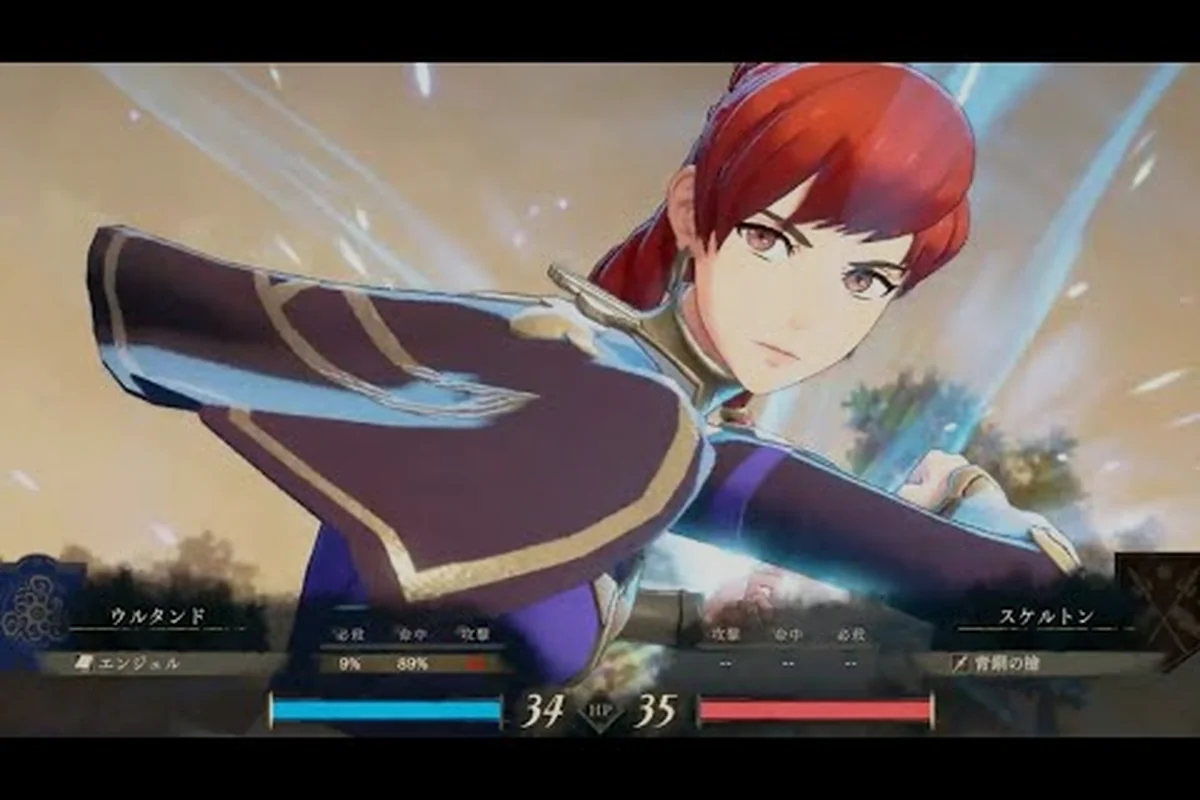
The forge in Fire Emblem: Fortune's Weave is where weapon rank progression meets combat arts mastery, and understanding it early separates a smooth run from a frustrating one. This Fire Emblem Fortune's Weave forge guide walks through the smithing loop, material economy, and how each weapon family's combat arts tree shapes your upgrade priorities. Because the game launches globally on September 17, 2026 for Nintendo Switch 2, getting a head start on forge knowledge now means you will hit the ground running when the Dagdan Collection edition arrives at your door.
Forge Fundamentals and the Smithing Loop
The forge operates as the central hub for all weapon enhancement in Fire Emblem: Fortune's Weave, and it connects directly to the weapon rank system that governs which combat arts become available. Every unit gains weapon experience through combat, and as their rank climbs from E to S, the forge unlocks new upgrade tiers and art slots. The loop works like this: you gather materials from battles and exploration, spend them at the forge to raise weapon levels, then unlock new combat arts that change how that weapon performs in the next skirmish.
Weapon Rank determines the ceiling for both forging and combat arts, so a unit stuck at C-rank cannot access the higher-tier arts even if you have the materials. Forge Level is separate from weapon rank and represents the smithy's overall capacity, which you raise by completing main story chapters and side quests. Material Purity affects how many stat points each upgrade grants, with higher-purity ore yielding better returns per investment.
Understanding the Forge Interface
The forge interface splits into three tabs: Enhance, Refine, and Art Forge. The Enhance tab handles raw stat increases like Might and Hit, while Refine adds special properties such as bonus damage against armored foes or increased critical rate. The Art Forge is where you spend Art Scrolls to unlock new combat arts for each weapon type, and this is where most players spend their time once the basics are covered.
| Forge Tab | Primary Function | Key Resource | Unlock Condition |
|---|---|---|---|
| Enhance | Raise Might, Hit, Crit | Smithing Ore | Available from start |
| Refine | Add special properties | Refining Dust | Complete Chapter 3 |
| Art Forge | Unlock combat arts | Art Scrolls | Reach C-rank in any weapon |
| Reforge | Reroll property bonuses | Gold + Ore | Complete Chapter 6 |
The Reforge tab deserves special attention because it lets you reroll the secondary properties on a weapon, which becomes critical when you are chasing specific builds. Community reports suggest that Reforge costs scale with weapon tier, so a silver sword costs significantly more to reroll than an iron one, and players recommend saving Reforge for high-tier weapons only.
Sword Combat Arts and Forge Priorities
Sword combat arts in Fire Emblem: Fortune's Weave emphasize precision and follow-up attacks, making them the most versatile option for player-phase aggression. The sword tree branches into three paths: Slash Arts for raw damage, Thrust Arts for armor penetration, and Counter Arts for enemy-phase utility. Each path requires different forge investments, so your choice here shapes how you allocate materials across the entire game.
The Slash path starts with Quick Slash, a low-cost art that grants +10 speed on initiation, which is excellent for doubling slower enemies. The Thrust path opens with Armor Piercer, which ignores 50% of defense on the first hit, making it invaluable against the heavily armored units that appear in mid-game chapters. The Counter path offers Retaliate, which automatically strikes back at 70% might when the unit survives an enemy attack.
Optimal Sword Forge Order
| Sword Art | Weapon Rank | Forge Cost | Best Use Case |
|---|---|---|---|
| Quick Slash | D | 200 Ore | Doubling fast enemies |
| Armor Piercer | C | 350 Ore | Heavy armor units |
| Retaliate | B | 500 Ore | Enemy-phase tanking |
| Astra | A | 800 Ore | Boss burst damage |
The Astra art, which strikes five times at reduced might, is the crown jewel of the sword tree and requires significant forge investment to reach. Players who prioritize Astra typically skip early Refine upgrades to save materials, since the raw Might boost matters less than unlocking the art itself. According to community testing, Astra's five-hit sequence applies on-hit effects each time, which means a weapon with a poison or lifesteal property becomes dramatically stronger once this art is equipped.
For a deeper look at how swords compare to other weapon families in raw stats, the weapons guide breaks down base stat distributions and growth rates across all five weapon types.
Lance Combat Arts and Defensive Forging
Lance combat arts lean toward defensive positioning and crowd control, which makes them the preferred choice for front-line units who need to hold choke points. The lance tree emphasizes Reach Arts that extend attack range, Guard Arts that reduce incoming damage, and Momentum Arts that build power over consecutive turns. This variety means lance users can adapt to nearly any battlefield situation, but it also means the forge demands are higher because you want multiple arts unlocked.
Reach Art options include Long Thrust, which extends range by one tile at the cost of 10 avoid, and Sweep, which hits all adjacent enemies at 60% might. The Guard path offers Iron Wall, a passive that reduces physical damage by 15% while the unit holds position, and Shield Bash, which deals damage and pushes the target back one tile. Momentum Arts like Growing Might increase attack power by 5% for each consecutive turn the unit does not move, rewarding patient positioning.
Lance Forge Material Efficiency
| Lance Art | Weapon Rank | Material Type | Priority |
|---|---|---|---|
| Long Thrust | D | Basic Ore | Medium |
| Iron Wall | C | Refining Dust | High |
| Shield Bash | B | Art Scrolls | Medium |
| Growing Might | A | Rare Ore | High |
The material efficiency question matters because Rare Ore appears only in specific chapters and side quests, so you cannot farm it freely. Players report that Iron Wall provides the best defensive value per material spent, since the 15% damage reduction applies to every physical hit the unit takes. This makes it a priority unlock for any lance user who will see enemy-phase combat, which is most of them given the weapon's defensive identity.
When you are planning which lance arts to chase, remember that the Refine system can add a Defense +5 property that stacks with Iron Wall, creating a frontline unit that shrugs off most physical attacks. The Ignis guide covers weapon rank-up strategies in detail, including how to reach S-rank efficiently for the ultimate lance arts.
Axe Combat Arts and Aggressive Forging
Axe combat arts trade the versatility of swords and the defense of lances for raw, unapologetic damage output. The axe tree focuses on Heavy Arts that deal massive single hits, Break Arts that shatter enemy weapons, and Berserk Arts that trade accuracy for power. This makes axes the go-to choice for player-phase nuking, but the forge costs are steep because heavy weapons require more materials to enhance.
Heavy Arts include Great Cleave, which deals 1.5x might but reduces avoid by 20, and Crushing Blow, which ignores 30% of defense and has a chance to stagger the target. Break Arts like Weapon Shatter have a 40% chance to reduce the target's weapon durability by 5, which can cripple enemy units over prolonged engagements. Berserk Arts such as Frenzy increase might by 80% but reduce hit rate by 25%, creating high-risk, high-reward scenarios.
Axe Forge Cost-Benefit Analysis
| Axe Art | Might Multiplier | Hit Penalty | Forge Investment |
|---|---|---|---|
| Great Cleave | 1.5x | -20 Avoid | Medium |
| Crushing Blow | 1.3x | None | High |
| Weapon Shatter | 1.0x | None | Low |
| Frenzy | 1.8x | -25 Hit | Very High |
The Frenzy art represents the ultimate expression of the axe philosophy, but its forge cost is prohibitive for most players until late game. Community data suggests that Crushing Blow offers the best damage-to-cost ratio because it has no hit penalty and ignores a meaningful chunk of defense. Players who want to use axes effectively should prioritize Crushing Blow first, then decide whether the Frenzy investment is worth the material drain.
Axe users also benefit from the Refine property Might +8, which amplifies the already-high base damage of heavy weapons. The trade-off is that this property costs significant Refining Dust, so you need to decide whether raw damage or utility properties like Armor Pierce serve your team composition better.
Bow Combat Arts and Precision Forging
Bow combat arts reward careful positioning and target selection, offering Sniper Arts for long-range precision, Volley Arts for multi-target pressure, and Trap Arts for battlefield control. The bow tree is the most position-dependent of the four physical weapon families, which means forge investments should account for how you actually deploy archers in your formation.
Sniper Arts include Deadeye, which grants +30 hit and +20 crit at the cost of 5 might, and Piercing Shot, which ignores terrain defense bonuses. Volley Arts like Arrow Storm hit all enemies in a three-tile line at 50% might, while Rain of Arrows targets a three-by-three area at 40% might. Trap Arts such as Snare reduce the target's movement to zero for one turn, creating setup opportunities for your melee units.
Bow Art Unlock Priorities
| Bow Art | Weapon Rank | Range Effect | Recommended For |
|---|---|---|---|
| Deadeye | D | +30 Hit, +20 Crit | Boss fights |
| Arrow Storm | C | 3-tile line | Crowd control |
| Snare | B | Movement zero | Setup plays |
| Rain of Arrows | A | 3x3 area | Large groups |
The Deadeye art is the most reliable boss-killing tool in the bow tree, and its forge cost is modest compared to similar arts in other weapon families. Players who want to maximize archer value should unlock Deadeye early, then branch into Arrow Storm for maps with clustered enemy formations. The Snare art becomes increasingly valuable in late-game maps where enemy cavalry units threaten your backline, since locking them down for a turn gives your frontline time to reposition.
For a complete ranking of which weapon types perform best across different map types and enemy compositions, the best class tier list provides a data-driven breakdown that pairs well with your forge planning.
Advanced Forge Strategies and Material Management
Once you understand the basics of each weapon tree, the next level of mastery involves managing your material economy across the entire playthrough. The forge demands Smithing Ore, Refining Dust, and Art Scrolls, and each appears in different quantities depending on your playstyle. Aggressive players who clear every optional battle will have more Ore but may lack Dust, while players who focus on main story chapters will see the opposite pattern.
Material farming follows predictable rules: Ore drops from regular enemies and mining nodes, Dust comes from breaking enemy weapons and completing side quests, and Art Scrolls are found in treasure chests and as chapter completion rewards. The Dagdan Collection edition includes bonus materials, but the standard edition requires careful planning to unlock all the arts you want.
Material Priority Framework
| Playstyle | Ore Priority | Dust Priority | Scroll Priority |
|---|---|---|---|
| Aggressive | High | Medium | Medium |
| Defensive | Medium | High | Medium |
| Balanced | Medium | Medium | High |
| Speedrun | High | Low | Low |
The balanced approach works best for most players because it keeps all three material types flowing steadily, allowing you to pivot your forge strategy based on which units are performing well. Speedrunners, by contrast, focus almost exclusively on Ore because they need raw Might to push through chapters quickly, skipping most side content that would provide Dust and Scrolls.
Reforge optimization becomes important in the late game when you have high-tier weapons with suboptimal properties. The cost to reroll scales with weapon tier, so players should save Reforge attempts for weapons that will see extended use rather than burning gold on transitional gear. Community reports indicate that silver-tier weapons are the sweet spot for Reforge investment, since they remain viable for the entire mid-game and early late-game.
Frequently Asked Questions
What is the best weapon type to forge first in Fire Emblem: Fortune's Weave?
The sword tree offers the most versatile early-game options because Quick Slash and Armor Piercer cover both speed and armor penetration scenarios. Starting with swords also gives you flexibility to branch into other weapon families later, since the forge materials you earn early are best spent on arts that work across multiple map types.
How do I unlock higher-tier combat arts in the forge?
Higher-tier combat arts require both weapon rank and Art Scrolls. You raise weapon rank by using that weapon type in combat, and Art Scrolls drop from treasure chests, side quests, and certain boss encounters. The forge displays locked arts with their requirements, so you can plan which scrolls to prioritize based on your team composition.
Can I respec combat arts after unlocking them?
Yes, the Art Forge allows you to swap between unlocked arts freely, but you cannot refund the Art Scrolls spent on unlocking them. This means you should unlock broadly useful arts first, then specialize once you have a clear picture of your endgame team. The Reforge tab handles property rerolls separately from art unlocks.
What is the most efficient way to farm Smithing Ore?
The most efficient Ore farming method is replaying Chapter 7, which features multiple mining nodes and a high enemy density. Players report that this chapter yields roughly 300-400 Ore per clear on normal difficulty, and the enemy composition is manageable even for under-leveled teams. Higher difficulty settings increase Ore drops but also increase clear time.
How does the forge interact with the Blaze Arts system?
Blaze Arts consume HP instead of weapon durability, so forge investment isn't required to unlock them. However, the Refine system can add properties that reduce Blaze Art HP costs, making them more sustainable in prolonged battles. This creates an indirect synergy where forge upgrades strengthen your Blaze Art usage without directly modifying the arts themselves.